
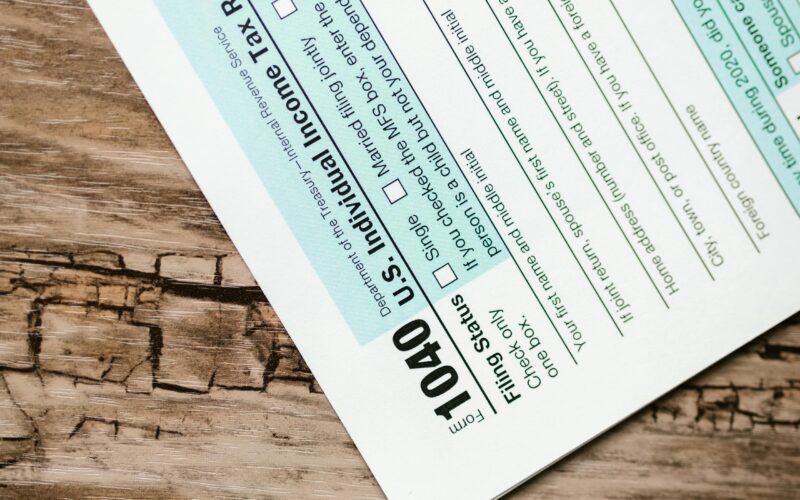
So, Is Becoming a Tax Preparer Actually Worth It?
Short answer? For a lot of people, yes. Really yes.
Here’s the deal. The IRS processed over 275 million tax returns in 2025. And every single one of those returns needed someone to prepare it — whether that was the taxpayer themselves, a piece of software, or a real live human being. The demand is massive, and it’s not going away.
The average tax preparer in the U.S. pulls in around $55,000 to $60,000 a year as of 2026, according to Bureau of Labor Statistics data. But that’s just the average. Experienced preparers in high-cost areas routinely clear $80,000+. And if you build your own client base? Six figures is absolutely doable.
But before you quit your day job, let’s walk through what this career actually looks like — the money, the work, the downsides, and exactly how to get started.
What Does a Tax Preparer Actually Do?
A tax preparer helps individuals and businesses file their annual tax returns with the IRS and state tax agencies. That’s the simple version.
In practice, it means sitting down with a client (or their documents), sorting through W-2s, 1099s, investment income, deductions, credits, and everything else that makes up someone’s financial year. Then you put it all together in a return that’s accurate and gets them the best outcome possible.
Some tax preparers work for big chains like H&R Block or Jackson Hewitt. Others work for local accounting firms. And a growing number are going independent — working from home, building their own brand, and keeping 100% of what they earn.
The Different Types of Tax Preparers
Not all tax preparers are the same. Here’s a quick breakdown:
- Uncredentialed Preparers: No license required in most states. Can prepare returns after getting a PTIN (Preparer Tax Identification Number) from the IRS. This is where most people start.
- Enrolled Agents (EA): Licensed by the IRS. Can represent clients before the IRS in audits and collections. Requires passing a three-part exam (the SEE exam) or having 5 years of IRS experience.
- Certified Public Accountants (CPA): State-licensed accountants who can do taxes plus a lot more. Requires 150 college credits, passing the CPA exam, and work experience.
- Tax Attorneys: Lawyers who specialize in tax law. Overkill for most basic tax prep, but valuable for complex situations.
You do not need to be a CPA or an attorney to be a tax preparer. Most people start as uncredentialed preparers and then level up from there.
The Money: How Much Can You Really Make?
Let’s talk numbers, because that’s probably why you’re reading this.
Here’s a realistic breakdown of tax preparer earnings in 2026:
- Entry-level (Year 1): $30,000 – $45,000. You’re learning. You might work for a chain that pays hourly ($18–$25/hour during tax season).
- Mid-level (2-4 years): $50,000 – $70,000. You’ve got regular clients coming back. You’re faster and more confident.
- Experienced (5+ years): $70,000 – $100,000+. Especially if you’re independent or have specialty niches.<
Is Becoming a Tax Preparer Worth It? s Becoming a Tax Preparer Worth It?” loading=”lazy”/>
Is Becoming a Tax Preparer Worth It? Becoming a Tax Preparer Worth It?” loading=”lazy”/>
Is Becoming a Tax Preparer Worth It? /li>
- Independent/Solo Practice: $80,000 – $150,000+. The sky’s the limit, but it takes time to build a client base.
Here’s what a lot of people don’t realize: tax preparers charge anywhere from $200 to $500+ per return for individual clients, and even more for business returns. If you prepare 200 returns during tax season at an average of $300 each, that’s $60,000 in about four months.
Not bad for seasonal work.
The Pros: Why People Love This Career
Low Barrier to Entry
This is probably the single biggest advantage. You don’t need a college degree. You don’t need a license (in most states). You don’t need years of experience. You just need a PTIN from the IRS — which costs $35.81 and takes about 15 minutes to apply for online.
Compare that to becoming a CPA (years of school + a brutal exam + experience requirements) or a lawyer (three years of law school + the bar exam). Tax preparation is one of the fastest paths to a professional income.
Quick Training
You can complete a basic tax preparation course in 8 to 12 weeks. Programs like the ones offered by H&R Block, the National Tax Training School, or online platforms like Coursera and Udemy can get you ready to start preparing returns in a matter of months, not years.
If you’re looking for a solid starting point, the IRS Volunteer Income Tax Assistance (VITA) program is free. You get trained and then practice on real returns for people who need help. It’s an incredible way to learn without spending a dime.
Flexible Work Options
Tax preparation is one of the most flexible careers out there. You can:
- Work full-time for a tax firm or accounting company
- Work part-time during tax season to earn extra income
- Run your own business from home
- Work as a freelance preparer for multiple firms
A lot of people start doing taxes on the side while keeping their regular job. Then, once they’ve built up enough clients, they go full-time. It’s a low-risk way to transition careers.
Strong and Growing Demand
The Bureau of Labor Statistics projects that tax preparer employment will grow by about 6% from 2024 to 2034 — faster than the average for all occupations. Why? Because the tax code keeps getting more complicated, not less. Every new law, credit, and deduction creates more confusion — and more people who’d rather pay someone else to figure it out.
Plus, the gig economy means more freelancers, more independent contractors, and more people with 1099 income who need help navigating self-employment taxes. That’s a huge and growing market.
The Cons: What People Don’t Tell You
It’s Seasonal
Tax season runs from late January through April 15 (or later if extensions are filed). That’s when you’ll make most of your money. The rest of the year can be slow — especially your first year when you don’t have year-round clients.
Smart preparers plan for this. They save aggressively during tax season, offer year-round services like bookkeeping or tax planning, or take on extended returns and amended returns during the off-season.