
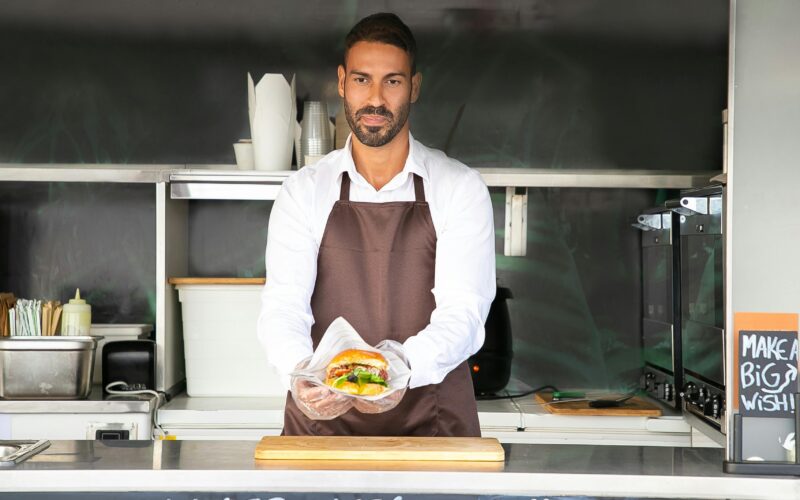
So You Want to Start a Food Business
Let’s be honest: the food industry isn’t for the faint-hearted. Margins are tight, regulations are strict, and the competition is fierce. But for all that, it remains one of the most rewarding sectors to work in. People will always need to eat, and there’s something deeply satisfying about building a business around something so fundamentally human.
Whether you’re dreaming of a neighbourhood bakery, a street food stall, a meal prep delivery service, or a full-blown restaurant, the foundations you lay now will determine whether your venture survives its first year. According to data from the Office for National Statistics, roughly 40% of new hospitality and food businesses in the UK fail within three years. That’s not meant to discourage you — it’s meant to focus your mind. The ones that make it tend to be the ones that got the boring stuff right from day one.
This guide walks you through everything you need to know, in the order you actually need to do it.
1. Decide What Kind of Food Business You’re Building
Before you fill in a single form or spend a single pound, get crystal clear on what you’re actually doing. “A food business” could mean a hundred different things:
- A restaurant, café, or takeaway
- A catering business run from your home kitchen
- A mobile food van or street trading operation
- A food stall at markets, festivals, or pop-up events
- A bed and breakfast serving meals to guests
- A meal kit or ready meal delivery service
- An online food shop selling products by post
- A nursery, school, or care home kitchen
Each of these has different requirements for premises, equipment, staffing, and licensing. A home-based cake decorator working alone faces very different challenges to someone opening a 60-seat restaurant with a team of eight. Be specific about your model before you go any further — it affects literally everything that follows.
It’s also worth thinking early on about your trading structure. Most food startups begin as sole traders because it’s simple and cheap to set up, but if you’re taking on significant financial risk or planning to grow quickly, a limited company might make more sense. You can always change later, but it’s better to choose deliberately rather than by default.
2. Register Your Food Business
This is the legal starting point, and it’s non-negotiable. If you’re selling, cooking, storing, handling, preparing, or distributing food — in any context, for money or as part of another service — you must register with your local authority before you start trading. Operating without registration is an offence.
Registration is free, and in most areas you can do it online through your council’s website. You need to register at least 28 days before you plan to start trading. If you’re taking over an existing food business, you still need to register it in your own name — the previous owner’s registration doesn’t transfer.
Don’t see this as a hurdle. See it as an opportunity. Once you’re registered, your local authority assigns you an Environmental Health Officer (EHO). These people are not your enemies. A good EHO is worth their weight in gold when you’re starting out — they can advise you on premises layout, food safety systems, allergen management, and a host of other things that are easy to get wrong when you’re learning.
If you’re in England, register through your local council. In Wales, Business Wales has a useful portal. In Northern Ireland, NI Business Info is your starting point. In Scotland, Food Standards Scotland is the relevant authority. Each nation has slight variations in process, but the fundamental requirement is the same everywhere.
3. Sort Out Your General Business Setup
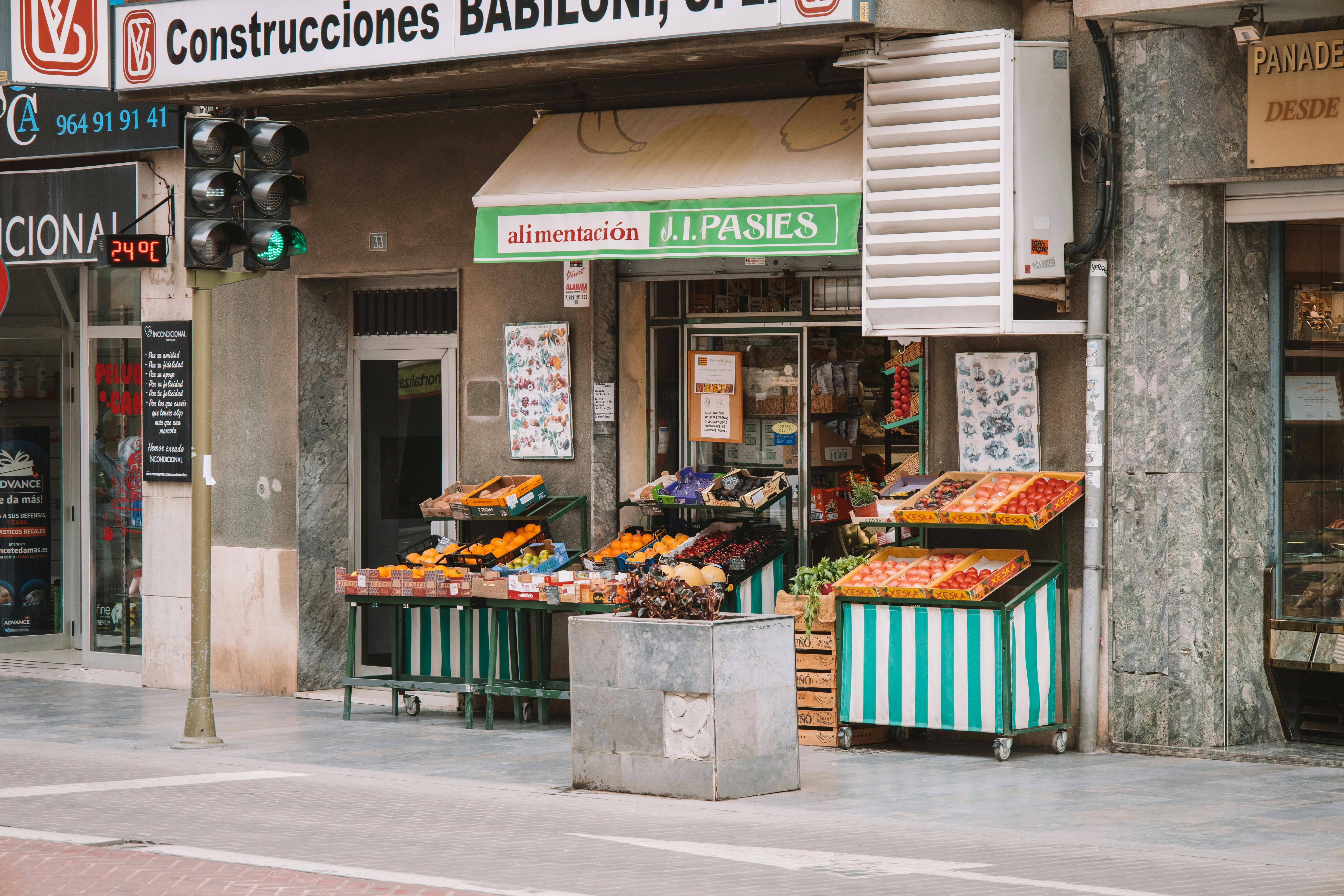
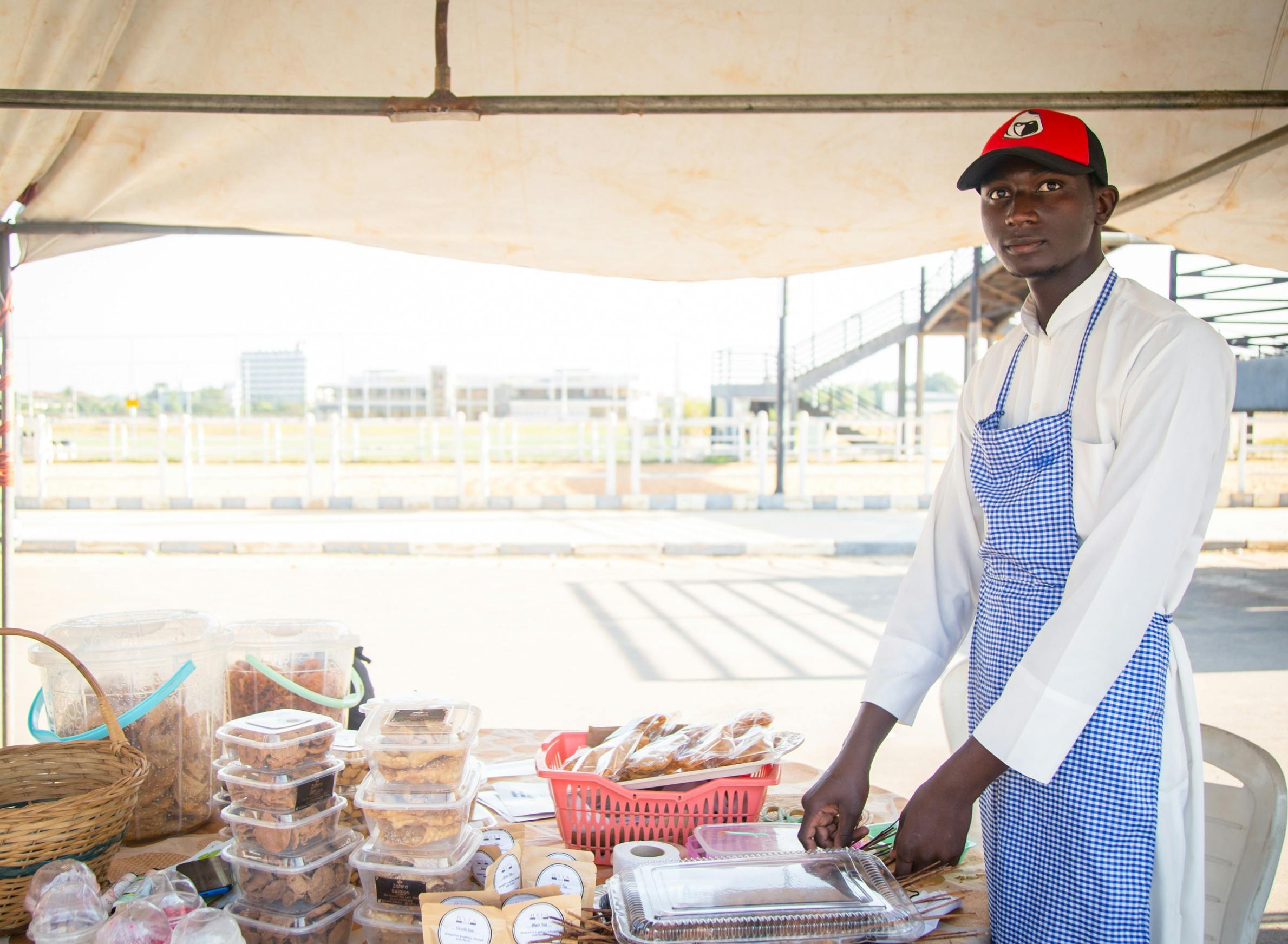
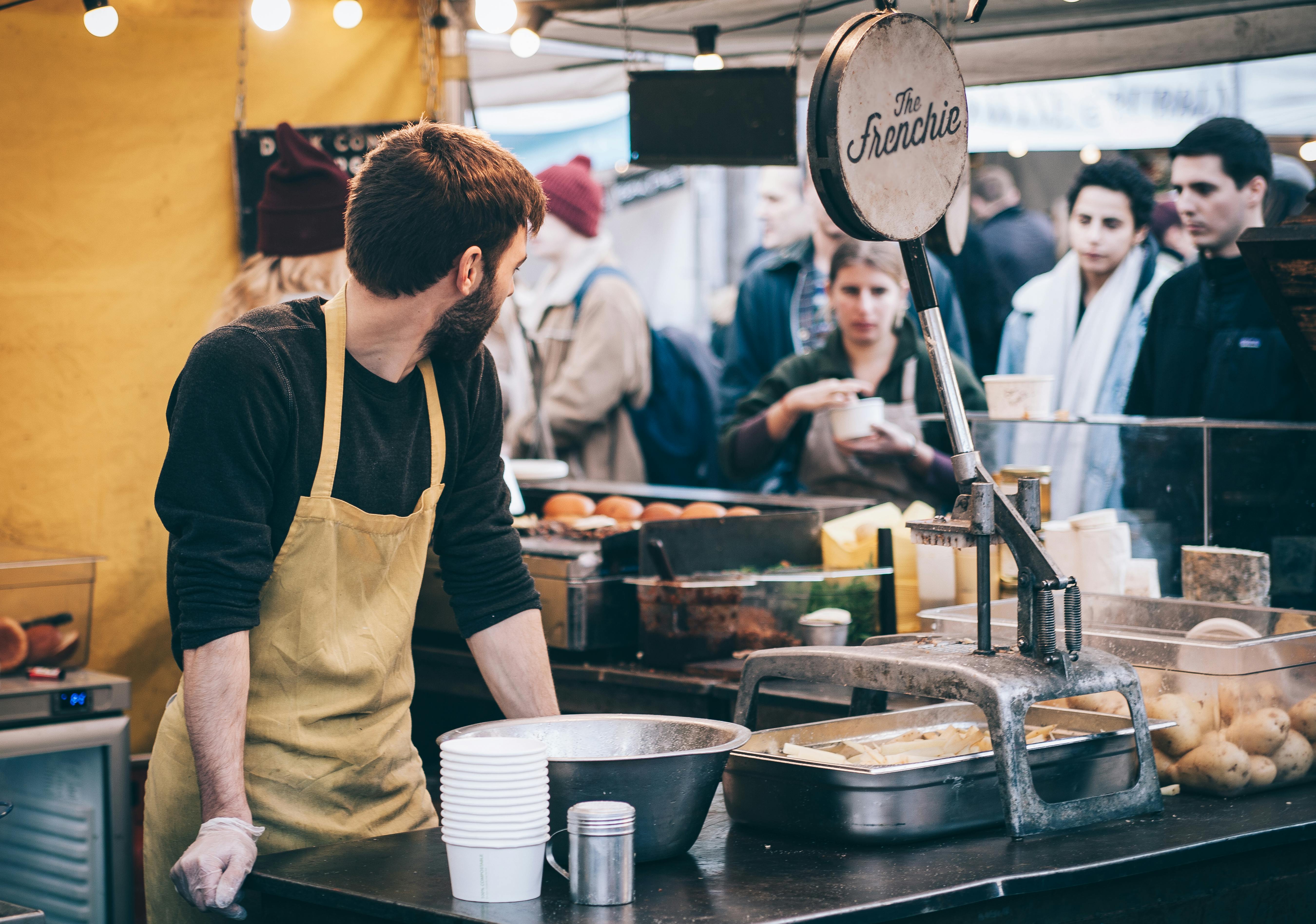
lt=”How do I start a food business?” loading=”lazy”/>
lt=”How do I start a food business?” loading=”lazy”/>
Food business registration is specific to food safety. You’ll also need to go through the standard process of setting up any business, which includes:
- Choosing a legal structure: sole trader, partnership, or limited company. Each has different tax implications and levels of personal liability.
- Registering with HMRC: for tax and National Insurance. If you’re forming a limited company, you’ll also register with Companies House.
- Getting insurance: public liability insurance is essential. Product liability insurance is strongly recommended for any business selling food. If you have employees, employer’s liability insurance is legally required.
- Setting up bookkeeping: even if you outsource your accounting later, start tracking income and expenditure from day one. HMRC requires digital record-keeping for most businesses under Making Tax Digital.
If you’re planning a mobile food business or street trading, you’ll also need the relevant permits and licences from your local authority. These vary by area — some councils have waiting lists for popular pitches, so it pays to enquire early.
4. Get Your Premises Right
Your premises need to be fit for purpose before you serve a single customer. The Food Standards Agency (FSA) has clear expectations, and your EHO will assess your setup when they inspect you. Here’s what they’re looking for:
Cleanliness and Condition
Your premises must be clean, in good repair, and suitable for safe food preparation. That means no damp, no flaking paint, no cracked tiles where bacteria can harbour, and no gaps where pests can enter. You need a reliable system for waste disposal that doesn’t attract vermin. Bins with tight-fitting lids, regular collection, and a clear plan for managing food waste.
Layout and Surfaces
Walls, ceilings, and surfaces need to be smooth, washable, and in good condition. You should have adequate lighting — both for safety and so you can see what you’re doing when preparing food. Ventilation is crucial, particularly if you’re cooking with oils or gas. You need enough space to separate raw and cooked foods, and a logical workflow that minimises the risk of cross-contamination.
Washing Facilities
You need separate facilities for handwashing and for washing equipment. The handwash basin must have hot and cold running water, soap, and hygienic drying facilities — and it can’t double as a food prep sink. You also need adequate facilities for cleaning equipment, crockery, and utensils. If you’re running a small operation from home, this is one of the first things your EHO will want to see.
Temperature Control
You must have adequate refrigeration and, where necessary, freezing capacity. Fridges should operate at 8°C or below (most professionals aim for 1-5°C). Hot food must be kept at 63°C or above if it’s being held before serving. You’ll need a reliable probe thermometer and a system for recording temperatures regularly.
Working from Home
A home kitchen can absolutely serve as a registered food business premises, but it needs to meet the same standards as a commercial kitchen. Your domestic setup might not be sufficient as-is. Common upgrades include installing a separate handwash basin, replacing wooden surfaces with non-porous materials, and ensuring your fridge has enough capacity to separate raw and ready-to-eat foods. Your kitchen also needs to be free from pets during food preparation.
5. Build Your Food Safety System
Food safety isn’t just a legal obligation — it’s the thing that keeps your customers safe and your business open. A single food poisoning outbreak linked to your business can destroy your reputation overnight, and in the worst cases, lead to prosecution.